Crystal Waterproofing Renovations

Pumped discharge · Domestic & commercial

Sump and pump systems

A drained waterproofing system is only as good as the pump that empties it. The sump is the point where the whole design either works or does not, and it is the element most often undersized, fitted without backup, and then forgotten until the day it matters.

PCA Property Care Association Member firm
CSSW Certified Surveyor in Structural Waterproofing Design to BS 8102
IBG Insurance-Backed Guarantees Available on completed works

The system in section

What is actually behind the wall.

PERIMETER CHANNEL IN PUMP ON ALARM LEVEL DUTY STANDBY TO DRAIN BATTERY BACKUP 1 2 3 4 5 6 7 8
  1. Perforated chamber. Set into the floor and open to the ground around it, so groundwater arriving under the slab is collected here rather than finding the room. Sized so the pumps are not cycling constantly.
  2. Channel inlet. The perimeter channel discharges through a 100mm outlet. It sounds like a fitting and behaves like a bottleneck — undersize this and the whole perimeter backs up in exactly the storm the system was built for.
  3. Duty pump. Sized against a calculated inflow for the property, not against whatever was fitted last time. Its float sets the normal working level.
  4. Standby pump. A second pump so one failure is not an event. The cost difference against a single pump is small next to a flooded basement, and this is the change we most often recommend on somebody else's existing installation.
  5. Non-return valve. Stops the contents of the rising main running straight back into the chamber every time a pump stops. Without it the pumps re-lift the same water all night and wear out early.
  6. High-level alarm float. Set above the working level. You want to be told there is a problem while there is still time to act, rather than discovering it from the carpet.
  7. Battery backup. The power cut and the storm tend to be the same event. Backup keeps the duty pump running through it, and remote monitoring can raise the power loss itself as an alert, so a fault is reported rather than found.
  8. Discharge to drain. Routed and sized with the bends counted, and taken to somewhere that will still accept it in heavy rain — a discharge that backs up returns the water to where it started.
The sump chamber in detail. Twin pumps so one failure is not an event, a non-return valve so the discharge cannot run back, battery backup for the power cut that arrives with the storm, and a high-level alarm that tells you before the floor does.

Sized to inflow, not to habit

The pump has to be specified against a calculated inflow for the property — the ground, the perimeter, the head of water and the worst case the site can realistically present. Fitting whatever was fitted last time is not a design, and on permeable ground it is how basements flood.

We calculate it, and we tell you what the calculation assumed, so the figure can be challenged rather than taken on trust.

Designed for failure, not just for function

Pumps fail and power cuts happen, usually in the same storm that is producing the water. A system that only works when everything is working is not finished. We specify twin pumps so a single failure is not an event, battery backup so a power cut is not a flood, and a high-level alarm so you find out from the alarm rather than from the carpet.

For basements holding anything that cannot get wet, we can add remote monitoring so a fault is reported rather than discovered — a leak, a rising humidity reading or a power cut reaches your phone the same day rather than the following winter.

Discharge and maintenance

Where the water goes matters as much as how it gets there — a discharge arrangement that backs up in heavy rain returns the water to where it started. We plan the discharge as part of the design, and set out a maintenance schedule for the pump and channels on handover, because a drained system is maintainable by design and needs to actually be maintained.

Systems and materials

What we install, and why that one.

We specify Wykamol systems for this work. Every product below carries its own datasheet and, where it exists, a BBA certificate — read them rather than taking our word for it.

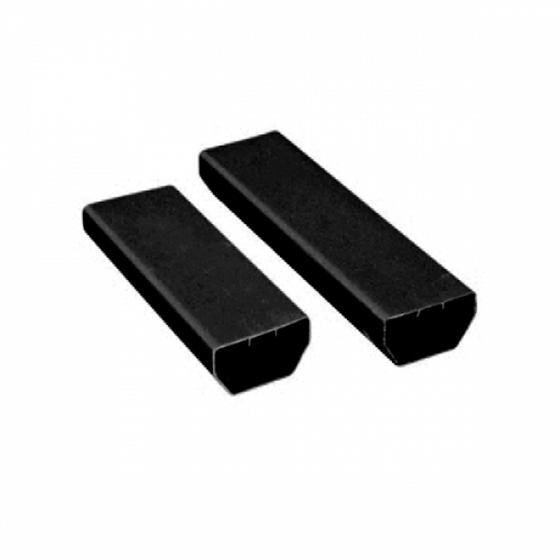
Wykamol Waterguard perimeter drainage channel

Perimeter channel, wall-to-floor junction

Wykamol Waterguard Channel

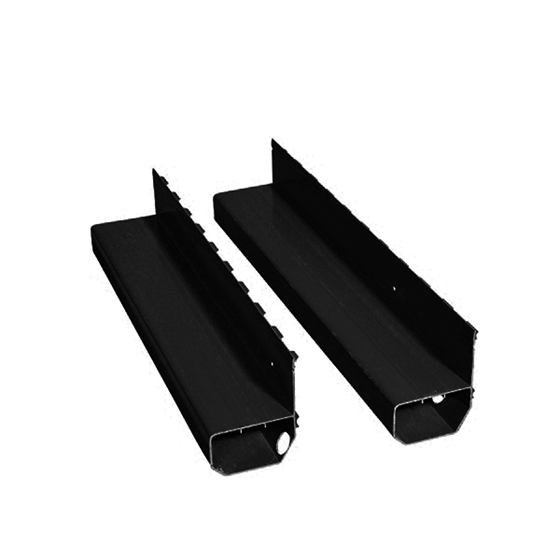
The PVC conduit that runs the perimeter at the wall-to-floor junction — the single most vulnerable line in any basement — and carries what the wall membrane collects round to the sump. Its flange up-stand ties into the wall membrane so water cannot pass behind the channel. It is rodded through access points we position to be genuinely reachable after the room is finished, not theoretically reachable.

  • PVC, 2m lengths
  • Flanged up-stand
  • Wall-to-floor junction
  • Rodded via access points
Wykamol Floor Drain flangeless drainage channel

Mid-floor runs

Wykamol Floor Drain Channel

The flangeless version, laid across the middle of a floor rather than at its edge. On a wide basement, or one where the floor falls away from the perimeter, water arriving in the centre has too far to travel to the wall. A mid-floor run shortens that path. Deciding whether a floor needs one is a survey question, not a catalogue question.

  • PVC, no up-stand
  • Mid-floor runs
  • Feeds to sump or drain
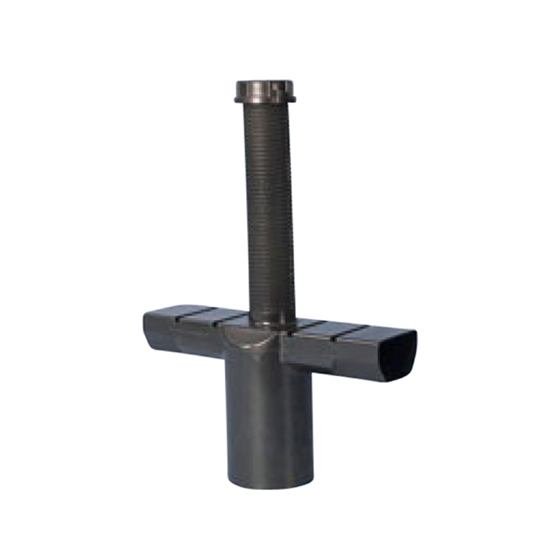
Wykamol Universal Channel Outlet connector

Channel into sump

Wykamol Universal Channel Outlet

The 100mm outlet that takes the channel into the sump chamber. It sounds like a fitting and it behaves like a bottleneck: undersize this connection and the whole perimeter backs up during exactly the storm the system was designed for. The 100mm bore is there so the discharge into the chamber is never the limiting factor.

  • 100mm outlet
  • Channel to sump chamber
  • High flow
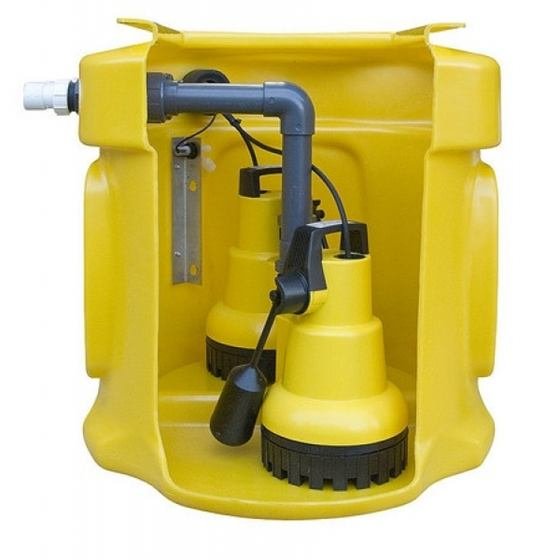
Wykamol SumpFlo twin pump sump chamber assembly

Pumped discharge

Wykamol SumpFlo 301 & 303 Pumps

The pumps we size against a calculated inflow rather than fitting whatever was there before. The 301 moves 168 litres a minute to 6.8m of head; the 303 moves 240 litres a minute to 12.5m. Head is the figure people forget — a pump loses roughly a metre of lift for every bend in the discharge run, so the pipework route is part of the pump selection, not an afterthought once it is installed.

  • 301 — 168 l/min, 6.8m head
  • 303 — 240 l/min, 12.5m head
  • Twin pump configurations
  • Battery backup and alarm
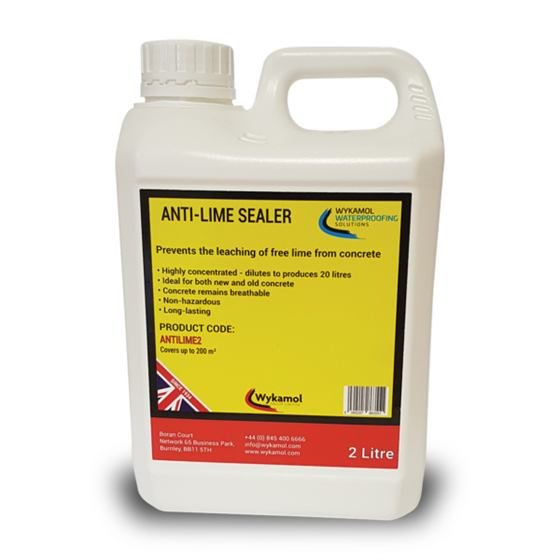
Wykamol Anti-Lime Sealer concentrate container

Protecting the drainage void

Wykamol Anti-Lime Sealer

Applied to the substrate before the membrane goes on, to stop free lime leaching out of fresh concrete and hardening inside the drainage channels. It is a maintenance problem bought off in advance: lime scaling narrows a channel slowly over years, and by the time it shows as a wet floor the system needs opening up rather than rodding.

  • Concentrate
  • Applied before membrane
  • Prevents lime scaling in channels

Technical downloads

The paperwork behind the specification.

The full technical library, including the drawings manual →

Common questions

What people ask us about sump & pump systems.

How often should a basement sump pump be serviced?

Annually as a baseline, and that includes testing the backup and the alarm rather than just watching the primary pump run. Systems on permeable ground, or ones that run frequently, are worth checking twice a year. Servicing is also usually a condition of keeping any guarantee on the waterproofing valid.

Do I need two pumps?

If the space below ground is habitable, finished, or holds anything of value, yes. A single pump means one component failure floods the room. The cost difference between one pump and two is small against the cost of a flooded basement, and it is the change we most often recommend when inspecting somebody else's existing installation.

Can a sump pump be installed in an existing basement?

Yes. It normally forms part of a Type C drained system, with a sump chamber set into the floor and a perimeter channel feeding it. It can also be retrofitted where an existing system has a pump that is undersized, unbacked or failing, provided the rest of the drainage is sound.

Request a quote

Talk to us about sump & pump systems.

Tell us what you're seeing and we'll tell you honestly whether it needs a full system or something much simpler.

Office 4D Heathhurst Road, South Croydon, CR2 0BA

We'll only use your details to answer this enquiry. No mailing list, no passing them on.

WhatsApp us